
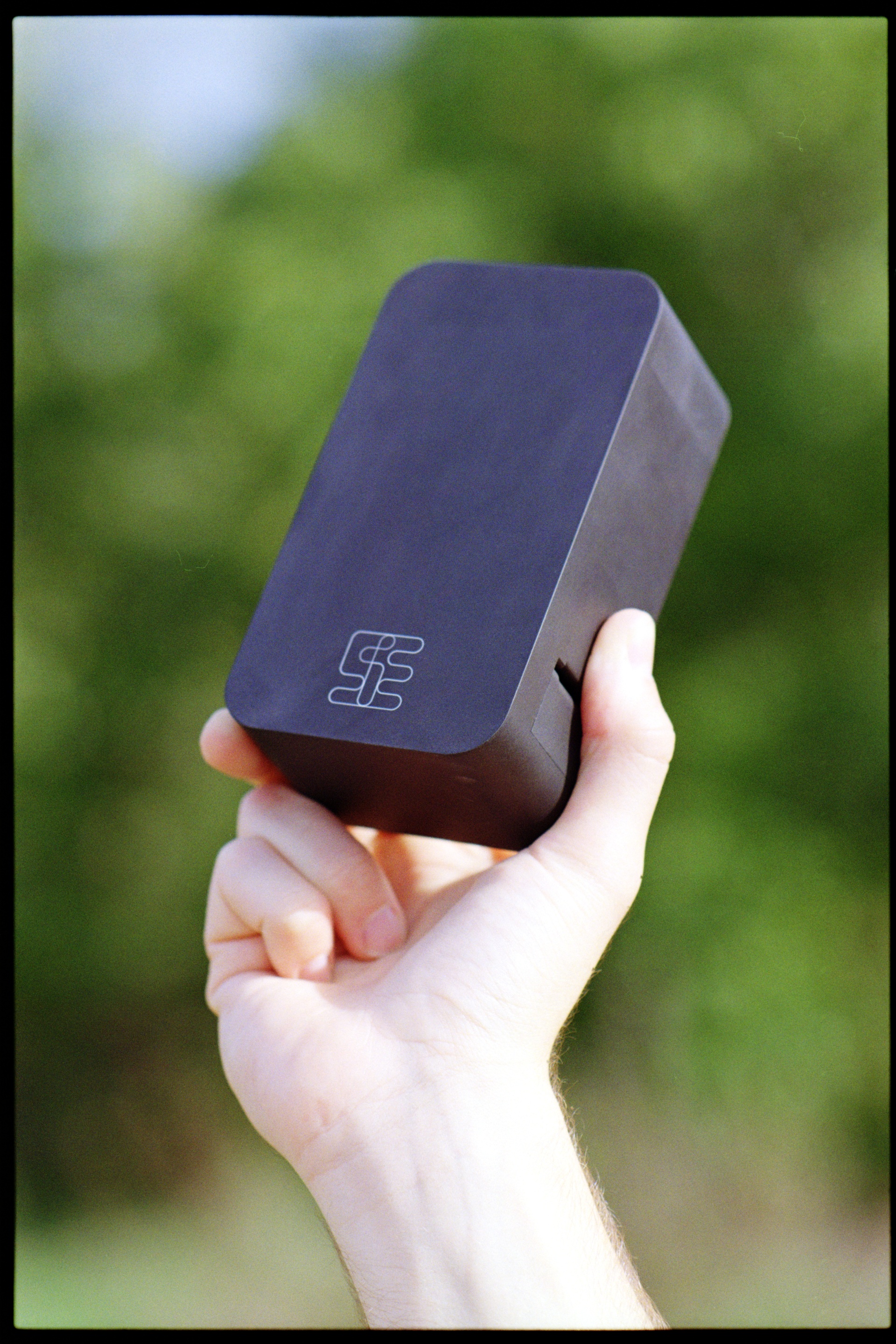
Photo: Will Dolan
Knokke 135 £799
- 4k DPI 48bit per pixel No Bayer low-pass filtering
- 36 frames in 3 minutes Highest settings including dust removal
- RGB trichrome scanning High-performance LED illumination
- Infrared dust removal No scan time penalty
The Most Gorgeous Colours
Colour that comes off the film intact.
Knokke uses trichrome capture: every frame is exposed three times, once each under narrowband red, green and blue LEDs matched to the film's dye layers. Every pixel is measured in all three channels, so nothing is interpolated from its neighbours. The channels stay cleanly separated, and the orange mask is removed exactly rather than estimated.
- No Bayer mosaic, no low pass filter
- Every pixel measured in all three channels
- Narrowband LEDs matched to the film's dye layers
- Cleaner separation between dye layers
- The orange mask neutralised by construction
The colour in the file is the colour on the film, not an algorithm's best guess at it.
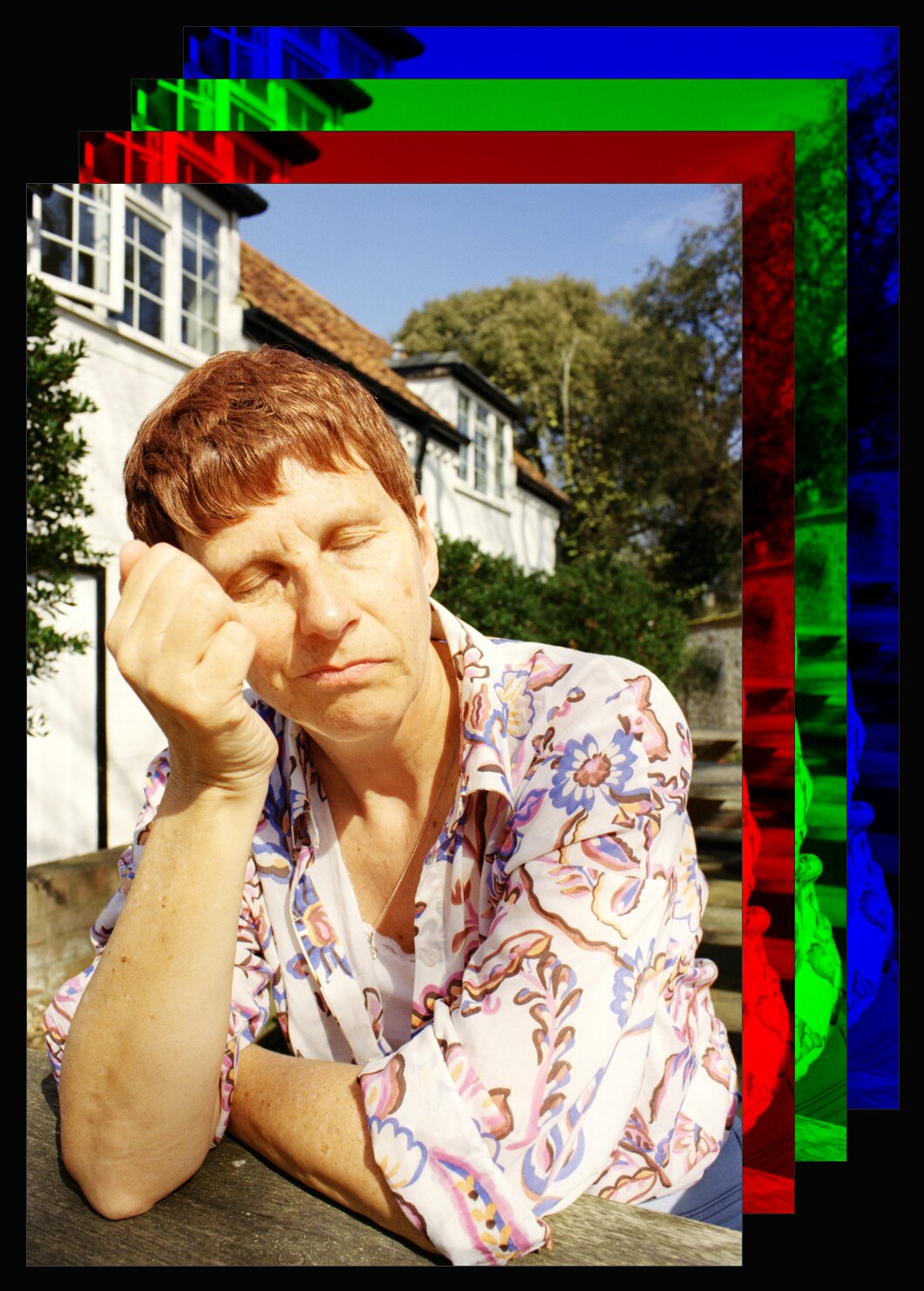
Nikon F3, AF Nikkor 24mm f/2.8D, Vision 3 250D in C41.
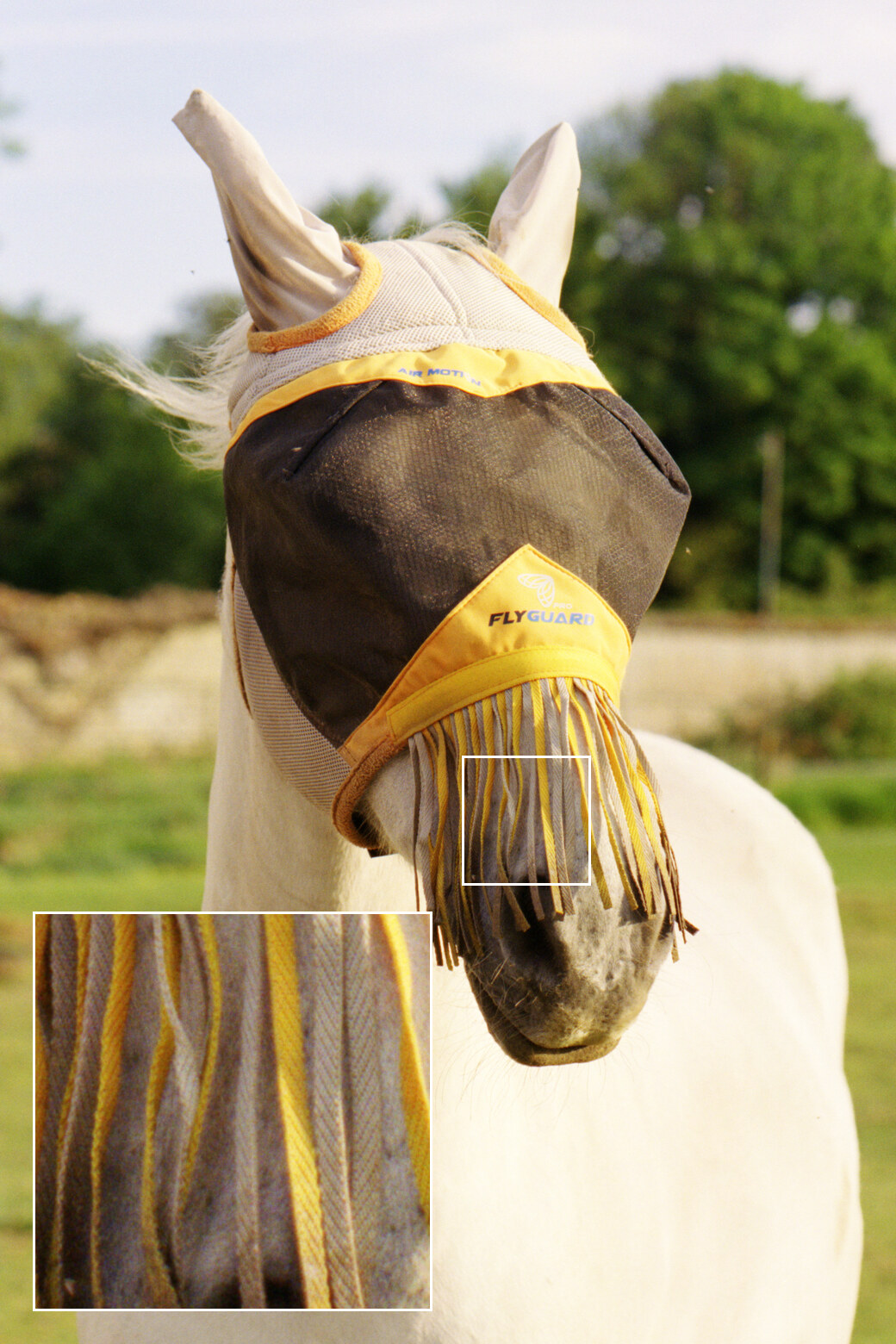
Nikon F100, AF DC-Nikkor 105mm f/2D, Vision 3 250D, scanned on Knokke. Inset at 1:1.
4k DPI, 48bit per Pixel
22 megapixels from every frame.
Knokke scans at 4k DPI of sensor resolution, which gives a 22MP image of each 35mm frame that holds its fine detail, grain and tone.
The imaging system was designed around:
- High contrast lens performance
- Same measured resolution, centre to corner
- Stable alignment
- Accurate rendering of film grain
- Clean tonal transitions
The scans keep the character of the negative, with no artificial sharpening or heavy processing.
36 Frames in 3 Minutes
Full-resolution 35mm roll scanning. Without the wait.
Knokke scans a full 36-exposure colour roll at full resolution, dust removal included, in under three minutes.
That makes a preview pass redundant. Knokke scans at its maximum settings faster than previous scanners take to preview.
Frame-by-frame scan settings are not needed either. Knokke's high-end sensor, data capture and colour technology handle every frame on the roll the same way: load the film and scan.
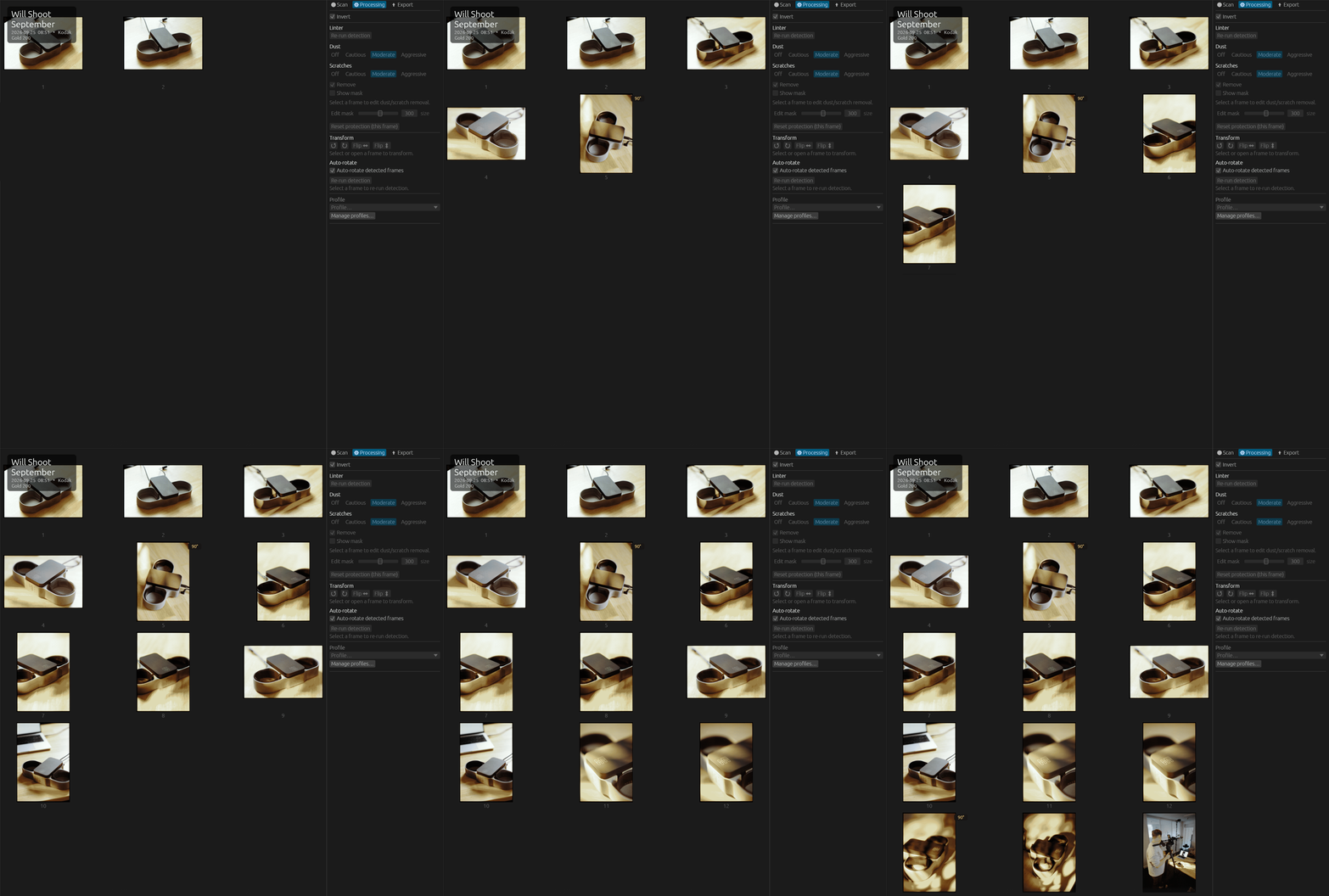
Frames from a roll of Kodak Gold 200 arriving in Korova as Knokke scans.
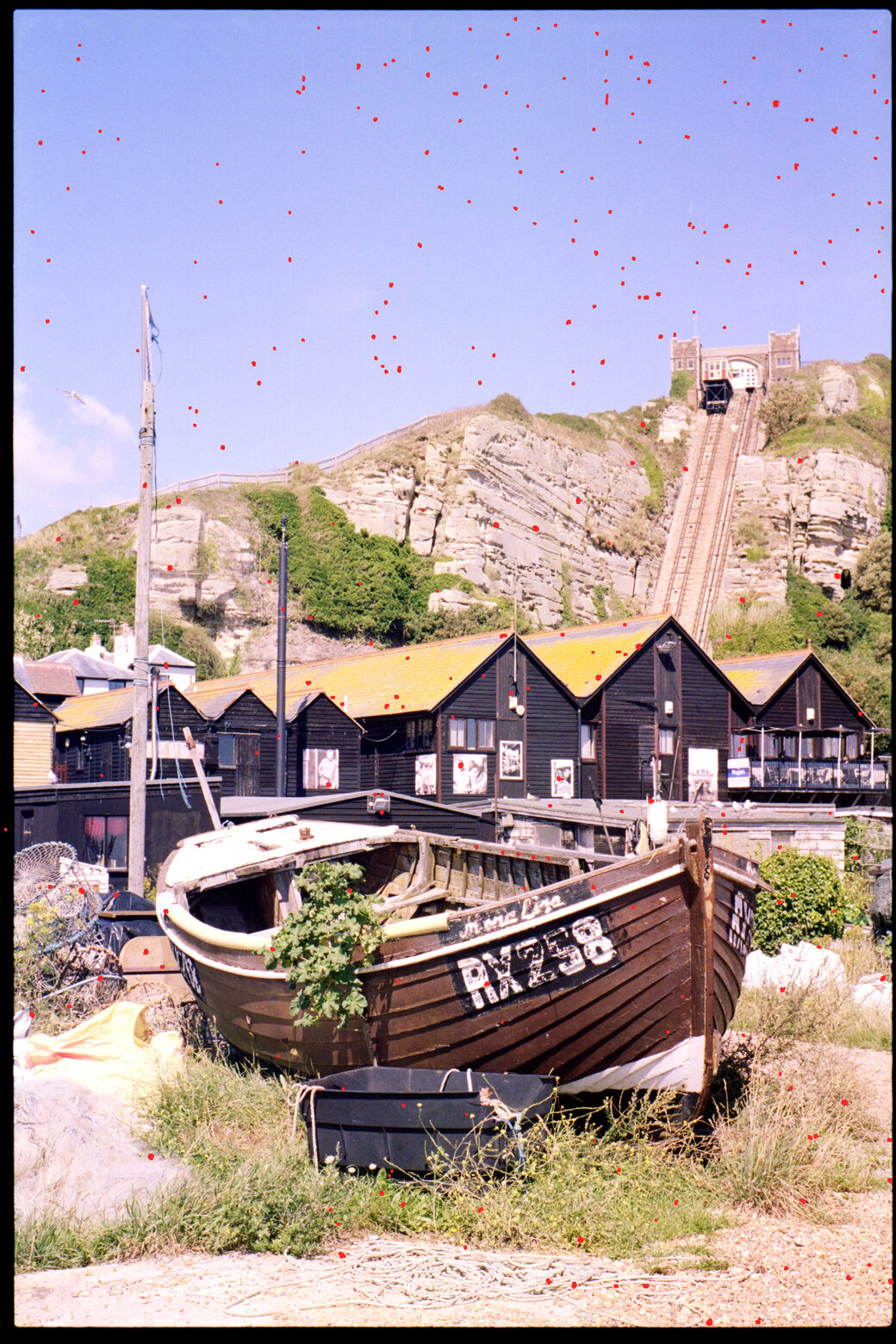
Nikon F3, AF Nikkor 50mm f/1.8D, Kodak Portra 160, scanned on Knokke. Dust marked the way Korova marks it.
Infrared Dust Removal
Debris found by measurement, not by guesswork.
Film dye is largely transparent to infrared; dust, hair and scratches are not. A separate infrared pass records the debris on the film and little else.
- Dust and scratches mapped directly
- Grain left untouched
- Only mapped defects filled in
On black-and-white film, where infrared does not work, Linter in Korova finds the dust from the image itself.
Native Software Written in Rust
Native on every platform.
Knokke ships with Korova, native desktop software written in Rust.
- No Electron overhead
- No bloated background services
- No unstable legacy software
It was designed alongside the hardware, which gives it:
- Instant startup
- Zero-lag panning of gigabyte-sized files
- Low system overhead
- Stable long-running performance
- Responsive UI
- Native cross-platform compatibility
It stays quick and stable from the first roll to the hundredth.

Actual Korova source code, written in Rust.
Korova is the scanning software that ships with every Knokke. It is written from scratch for macOS, Windows and Linux, runs natively, and updates itself automatically.
Printed, Not Inverted
The negative rendered through the response of RA-4 paper.
A colour negative was designed to be printed, and the paper's response, its toe and shoulder, is part of how the image was meant to look. Korova renders each channel through that curve, so bright highlights ride up the shoulder instead of clipping to paper white.
The curve pivots on the film base, so Korova measures it from the unexposed gaps on the roll itself rather than trusting a stored profile.
- RA-4 print response, not a per-channel stretch
- Highlights ride the shoulder instead of clipping
- Pivoted on this roll's own measured base
- Slides skip the print curve: E-6 renders linear
- Raw scans export unprocessed
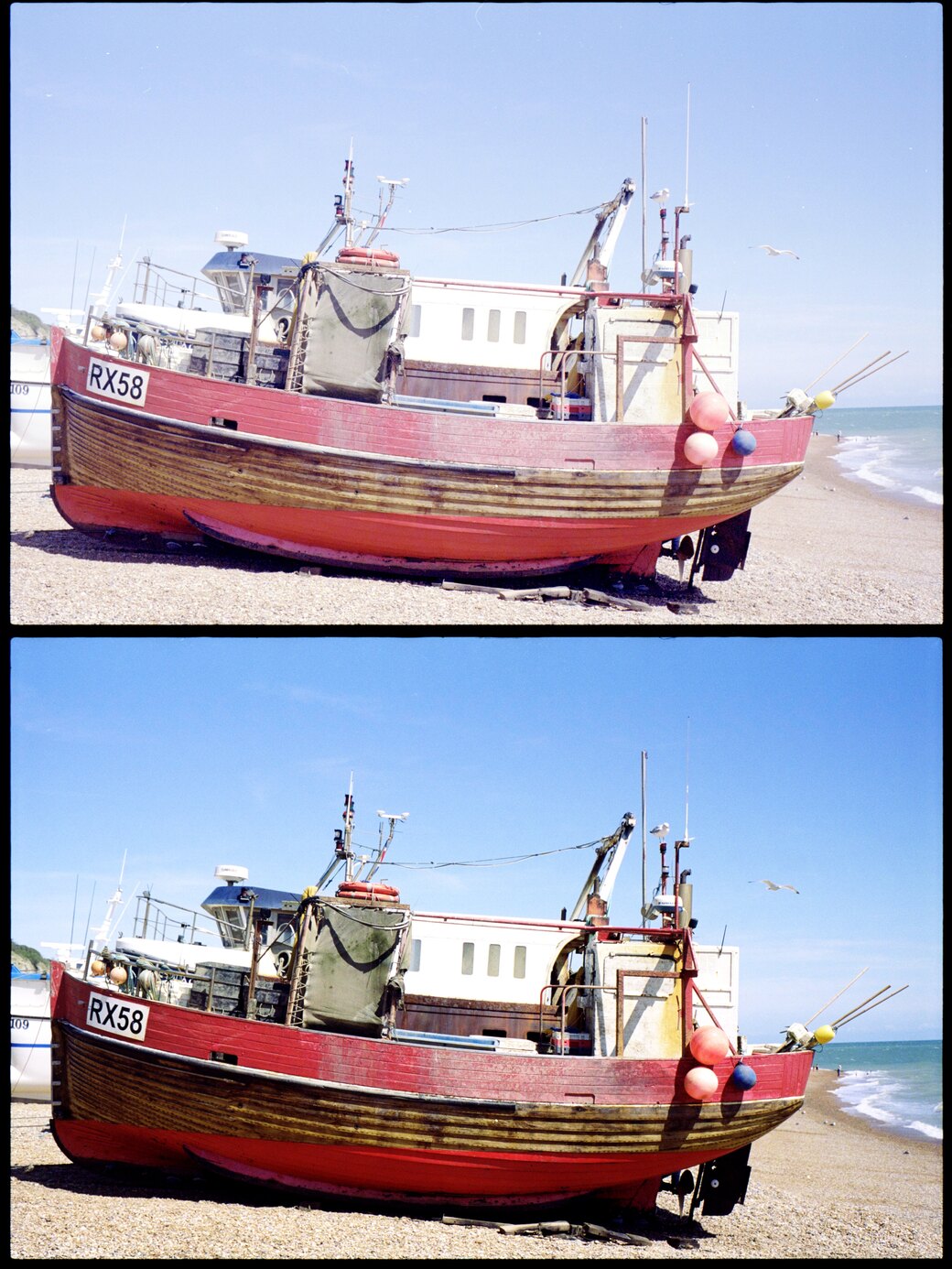
Kodak Portra 160, scanned on Knokke. Above, stretched between two points; below, rendered through the print curve.
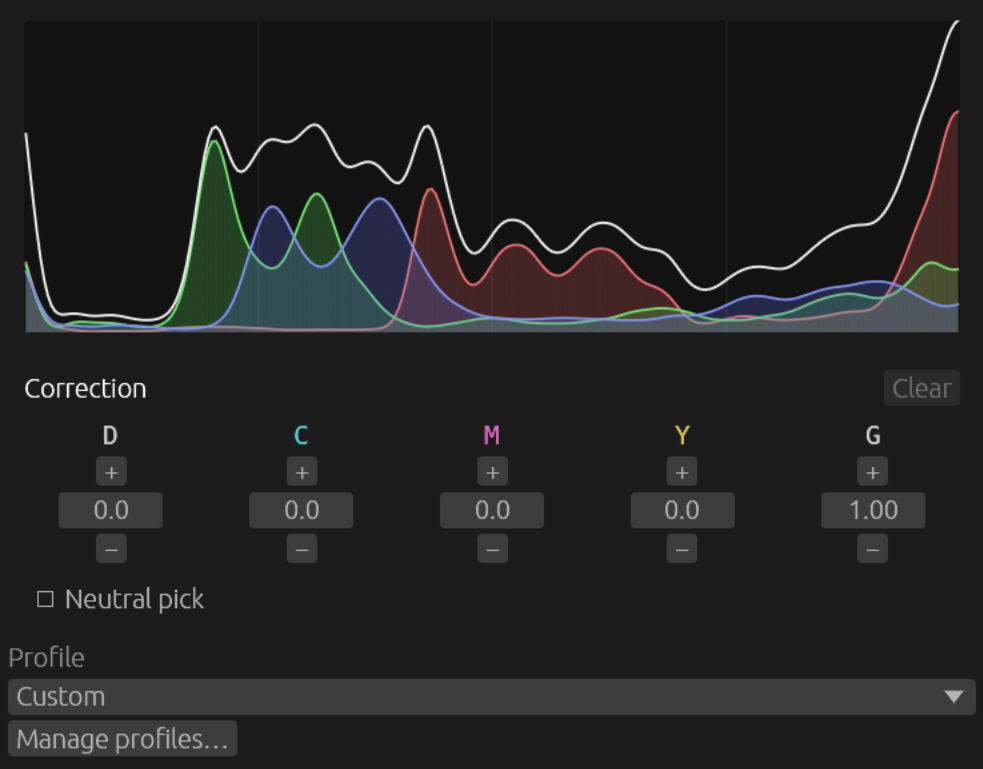
The correction pad in Korova.
Grade It Like a Minilab
Cyan, magenta, yellow, density, grade. The controls the lab had.
The cyan, magenta, yellow and density keys off a Frontier, plus a darkroom paper grade, as fixed offsets: one step is the same filtration on every roll. Every axis sits on a key, the picker solves a grey for you, and a correction saves as a recipe that Auto never wipes.
- D / C / M / Y / G in steps of 0.015 log exposure
- Every axis on a key, Shift to reverse
- Neutral picker: click a grey, get the filtration
- Recipes carry to the next roll and survive Auto
Finds the Frames, Turns Them the Right Way Up
A roll goes in. Photographs come out.
Frame edges come from the gaps between exposures. Those are set by the camera, not the scanner, so the pitch is measured every time. Detection works at any aspect ratio, from half-frame to panoramic, as long as the image is 24mm high. Orientation is predicted on your own machine, and anything you turn by hand stays turned.
- Pitch measured per roll, never assumed
- Leader, blanks and roll ends rejected
- Any aspect ratio at 24mm high
- Orientation predicted locally
- Manual rotations never overridden
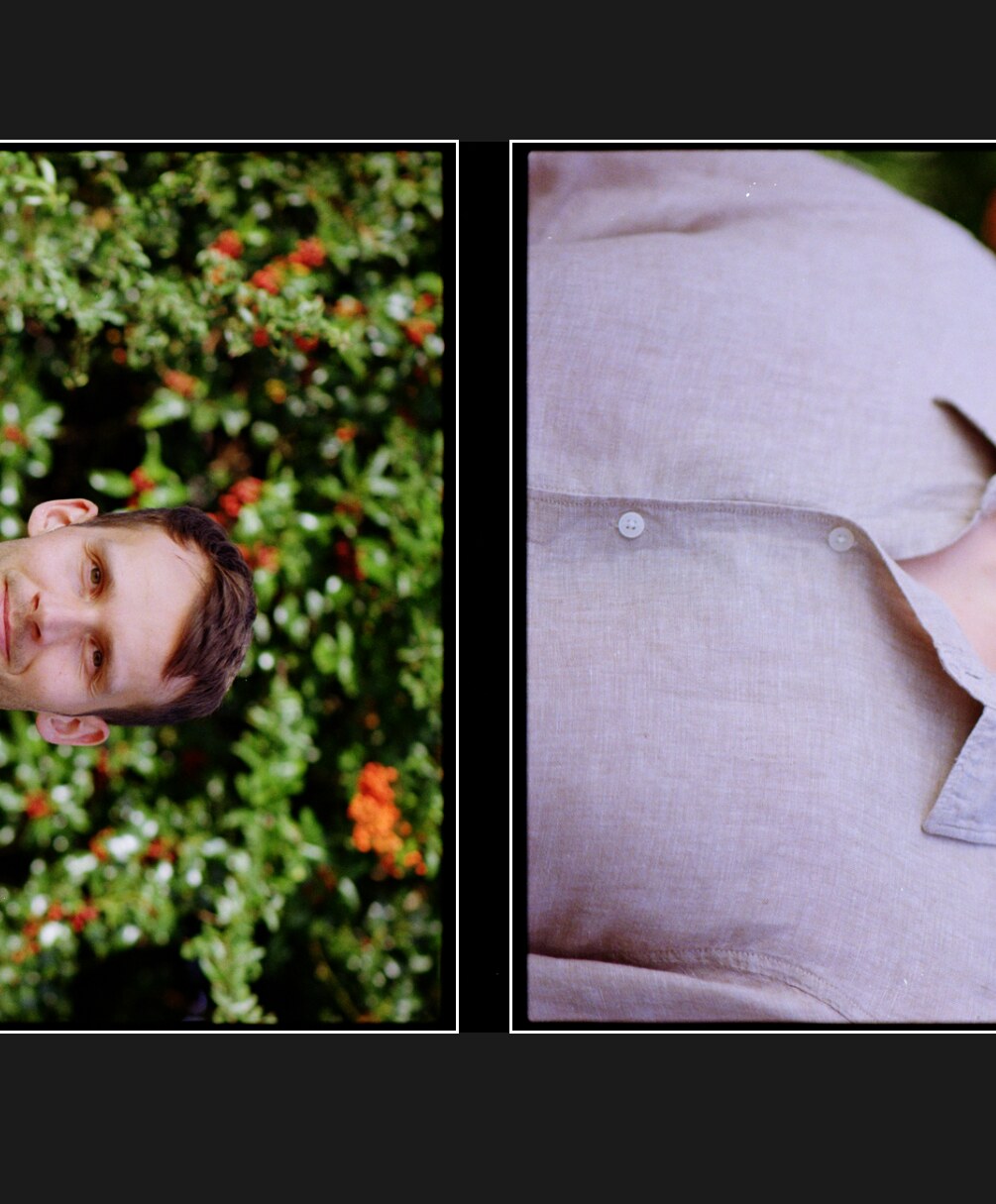
Frames found on the strip, before rotation.
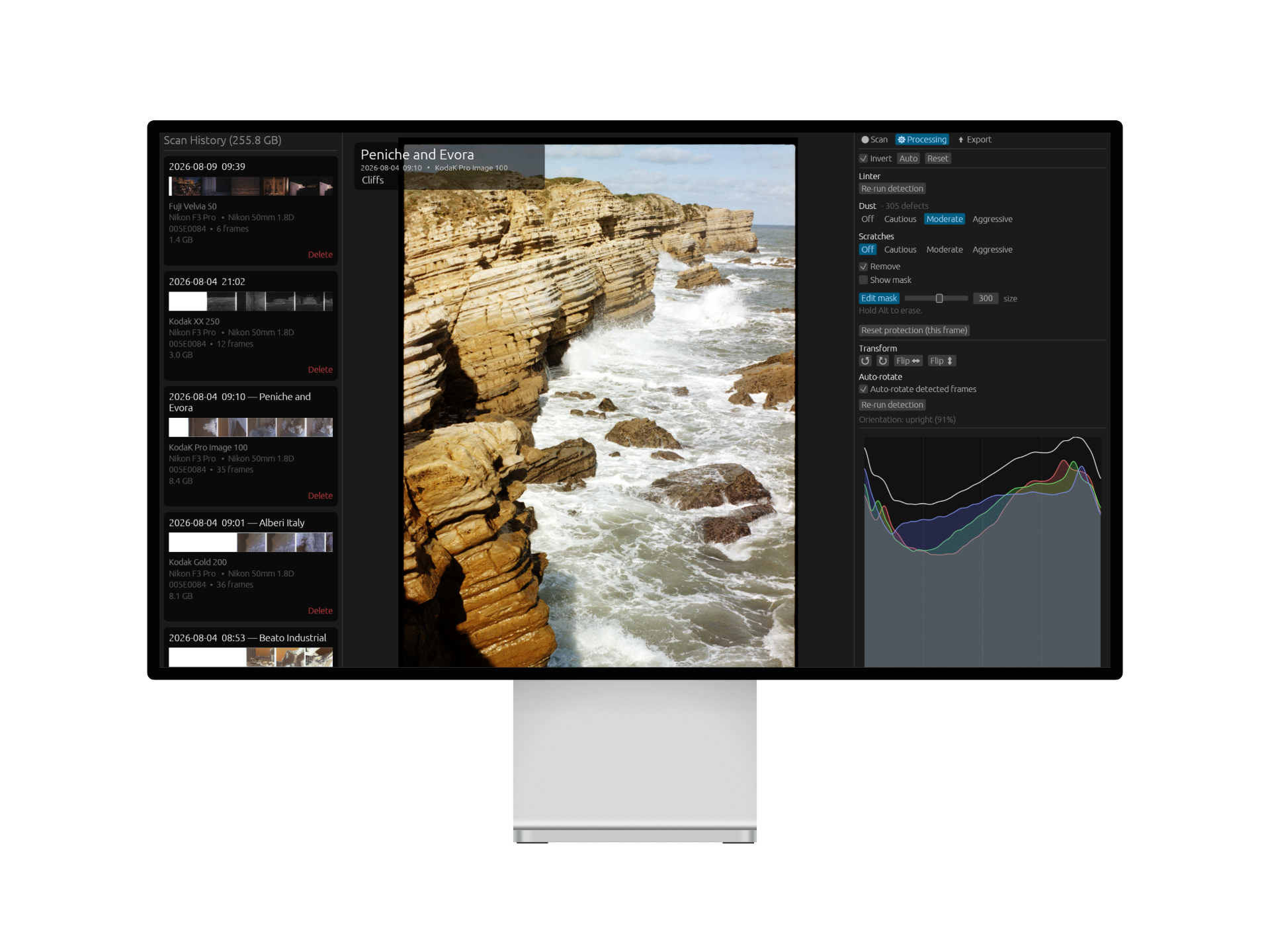
Korova with a roll open: scan history, the frame, and the correction controls.
Just You and Your Photographs
Native Rust. No account, no cloud, no browser in a trenchcoat.
Not a web app in a wrapper, not a subscription, not a service that needs your roll to reach a server. It opens immediately and throws gigabyte scans around without lag.
- No account, no subscription
- No connection required
- No Electron, no browser engine
- Free with every Knokke, and free for good
Soke Engineering is a small studio building tools for the film photography community. We make technology for people who care about the craft.
Soke Engineering Ltd
5 Jayne
Gardens
Peterborough, UK